I'm Luís Vieira,
a product designer, intimate with systems and aesthetics
I've been designing for over 20 years. Went through the web, mobile, and the rise of design systems. Each one set up the next. Now, AI is the question I'm on, and the one pulling me deepest.
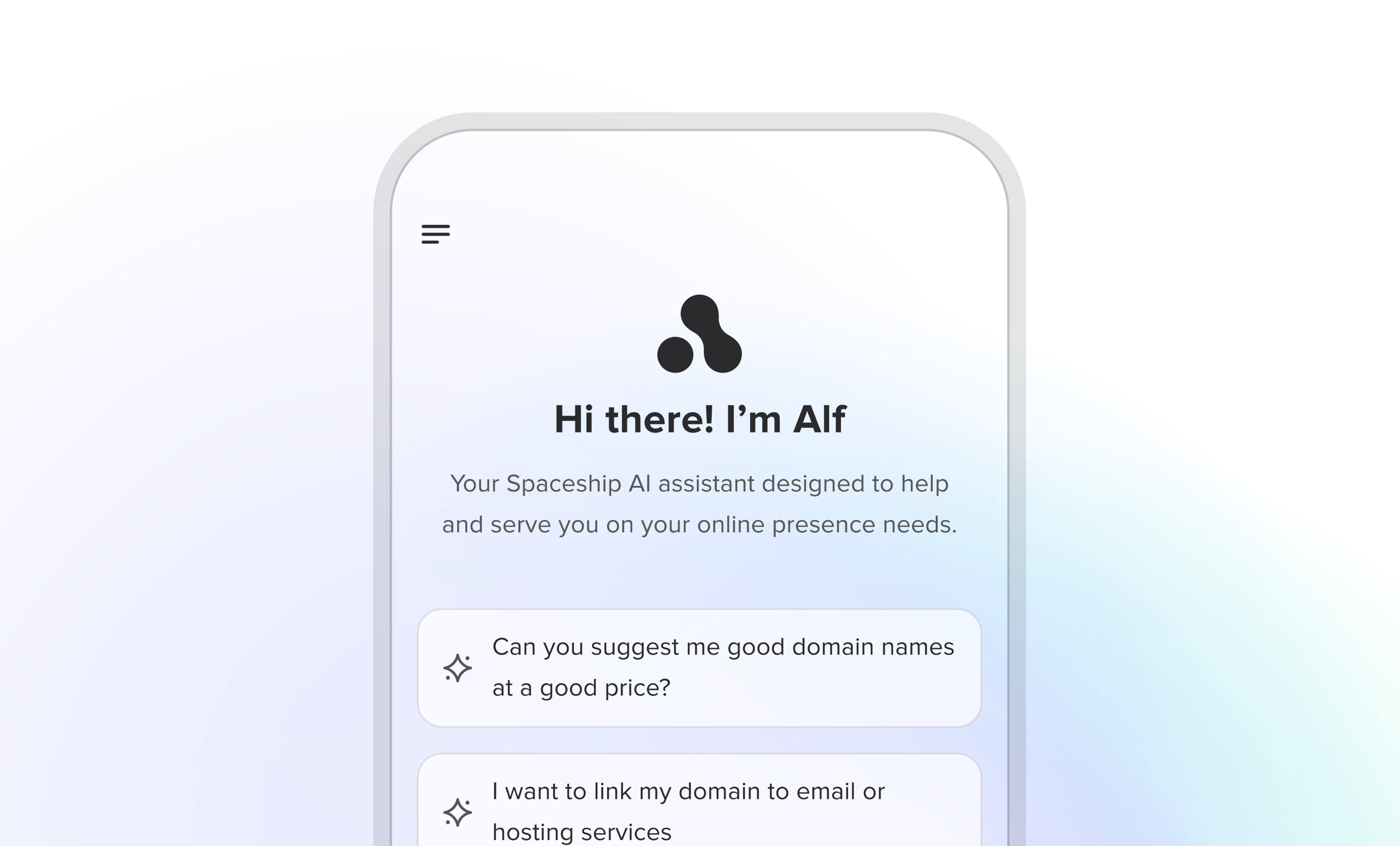
Alf—Spaceship's AI assistant
You can follow the UX playbook and make good products. But to make outstanding ones, you need to be an actual user
How a product is built resonates in its usage. Performance is essential to good UX
Knowing where your tools come from makes a world of difference
'05
Early
Early
years
I worked at a small graphic shop—logos, identities, production for local businesses. Tiny budgets, same standard. Magazines came after. Typography and grids mattered. I treated them like cultural artifacts. Then the web started pulling.
'08
Web design
Web design
deepdive
I spent nine years at Portugalmail, Portugal’s first email provider. I designed email platforms and blogging products. Dense, functional, content-heavy work. I came to see the browser as a medium—HTML and CSS as material, not constraint. It’s where I learned to work with engineers as a shared surface, not a handoff. Along the road UX started to take shape as a discipline.
'17
UX as
UX as
discipline
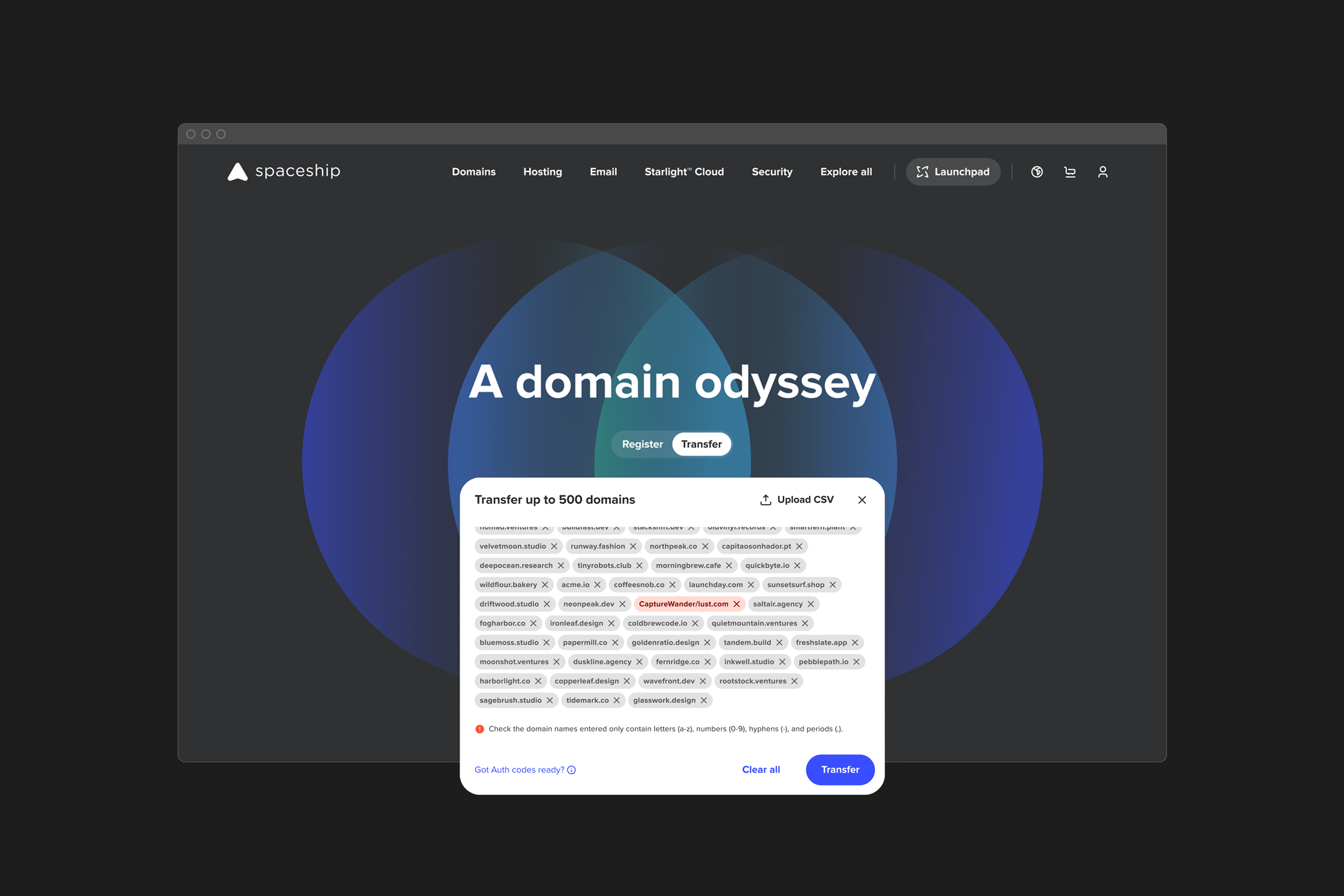
I joined Namecheap as one of the first designers to build Spaceship, a spin-off built to rethink domains and online presence. Six years from zero. Worked concepts, user centered design, design systems, UI challenges, UX research, and documentation that turns intent into buildable reality.
'26
Now, AI is a tool unlike any before—it extends taste and intent. I want to design how it multiplies us, without flattening what makes us us.
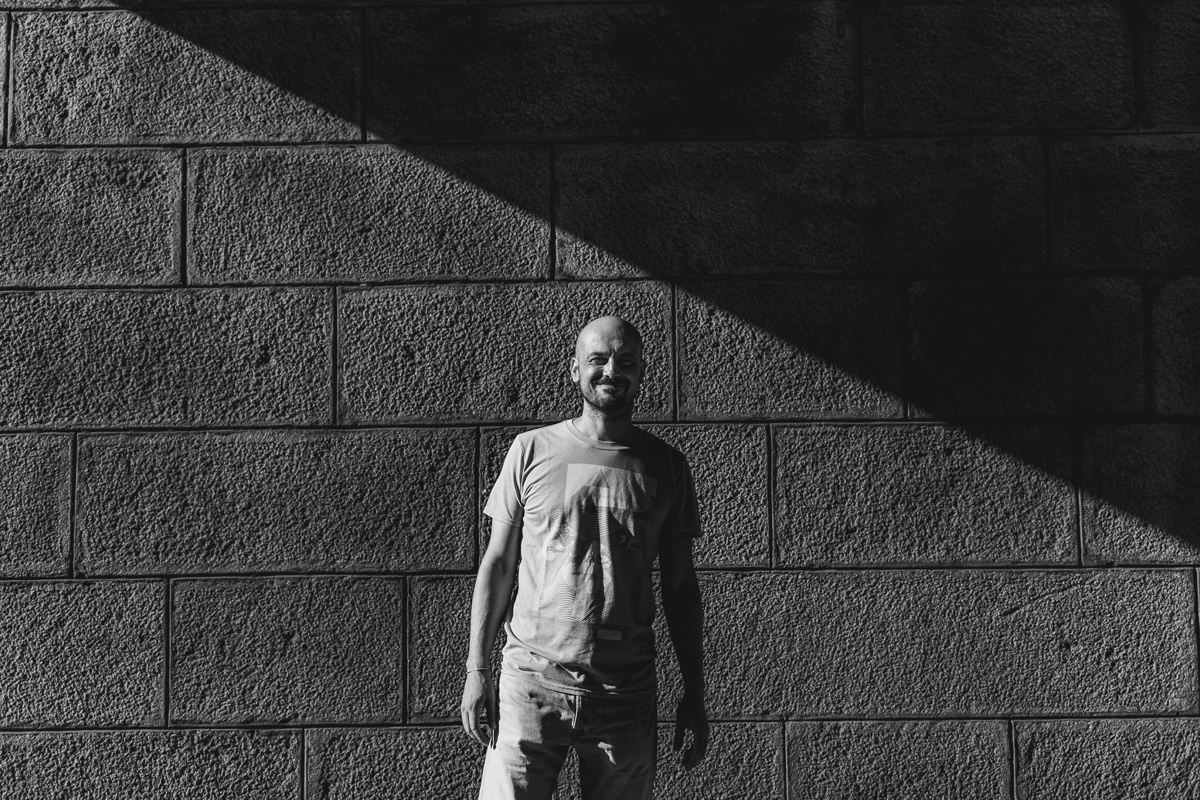
I live and work in Porto. I've spent most of my career inside the browser—email platforms, blogging, websites, online presence tools. The kind of products where every detail compounds.
I care about how products feel, the way they flow, their "weight" and how they talk. That's exactly why AI has my full attention—not the hype, but what it does to design itself. We're not just making outputs anymore. We're designing the systems that generate them.
Contact: hello@luisvieira.design Copied
Social: